
- Track every order
- Save books to your wishlist
- Earn rewards on every order
- All Available Copies
- Overview
- About the Author
- Awards
- Professional Reviews
- Reader Reviews
- Table Of Contents
- Borrow
Overview
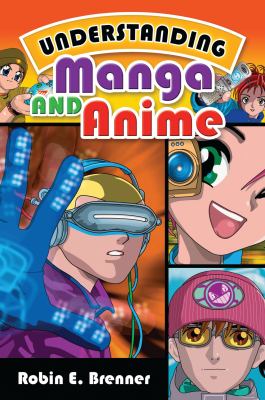
Teens love it. Parents hate it. Librarians are confused by it; and patrons are demanding it. Libraries have begun purchasing both manga and anime, particularly for their teen collections. But the sheer number of titles available can be overwhelming, not to mention the diversity and quirky cultural conventions. In order to build a collection, it is important to understand the media and its cultural nuances. Many librarians have been left adrift, struggling to understand this unique medium while trying to meet patron demands as well as protests. This book gives the novice background information necessary to feel confident in selecting, working with, and advocating for manga and anime collections; and it offers more experienced librarians some fresh insights and ideas for programming and collections. Teens love it. Parents hate it. Librarians are confused by it; and patrons are demanding it. Libraries have begun purchasing both manga and anime, particularly for their teen collections. But the sheer number of titles available can be overwhelming, not to mention the diversity and quirky cultural conventions. In order to build a collection, it is important to understand the media and its cultural nuances. Many librarians have been left adrift, struggling to understand this unique medium while trying to meet patron demands as well as protests. This book gives the novice background information necessary to feel confident in selecting, working with, and advocating for manga and anime collections; and it offers more experienced librarians some fresh insights and ideas for programming and collections. In 2003 the manga (Japanese comics) market was the fastest growing area of pop culture, with 75-100% growth to an estimated market size of $100 million retail. The growth has continued with a 40-50% sales increase in bookstores in recent years. Teens especially love this highly visual, emotionally charged and action-packed media imported from Japan, and its sister media, anime (Japanese animation); and libraries have begun purchasing both. Chock full of checklists and sidebars highlighting key points, this book includes: a brief history of anime and manga in Japan and in the West; a guide to visual styles and cues; a discussion of common themes and genres unique to manga and anime; their intended audiences; cultural differences in format and content; multicultural trends that manga and anime readers embrace and represent; and programming and event ideas. It also includes genre breakdowns and annotated lists of recommended titles, with a focus on the best titles in print and readily available, particularly those appropriate to preteen and teen readers. Classic and benchmark titles are also mentioned as appropriate. A glossary and a list of frequently asked questions complete the volume.
Categories
All Available Copies Find out more about shipping times from these sellers.
| Condition | Price | |||
|---|---|---|---|---|
|
Used Good (2 available)
Former Library Book 
|
$14.83 USD | Shelf Steals® | Add To Cart |
Ships directly from Better World Books
|
|
Used Very Good (3 available)
Former Library Book
|
$14.83 USD | Shelf Steals® | Add To Cart |
Ships directly from Better World Books
|
|
eBook Obtain a digital book from our friends at eBooks.com.
|
{{ebooksDotComPrice}} {{ebooksDotComCurrency}} | eBooks.com | Digital edition from eBooks.com | |
|
Audio Book Obtain a digital book from our friends at AudiobooksNow.com.
|
{{audioBooksNowPrice}} {{audioBooksNowCurrency}} | AudiobooksNow.com | Digital edition from AudiobooksNow.com |
Professional Reviews
| Find at your local library from our friends at WorldCat | Find Libraries |
Overview
Teens love it. Parents hate it. Librarians are confused by it; and patrons are demanding it. Libraries have begun purchasing both manga and anime, particularly for their teen collections. But the sheer number of titles available can be overwhelming, ...
Read full overview
Overview
Teens love it. Parents hate it. Librarians are confused by it; and patrons are demanding it. Libraries have begun purchasing both manga and anime, particularly for their teen collections. But the sheer number of titles available can be overwhelming, not to mention the diversity and quirky cultural conventions. In order to build a collection, it is important to understand the media and its cultural nuances. Many librarians have been left adrift, struggling to understand this unique medium while trying to meet patron demands as well as protests. This book gives the novice background information necessary to feel confident in selecting, working with, and advocating for manga and anime collections; and it offers more experienced librarians some fresh insights and ideas for programming and collections. Teens love it. Parents hate it. Librarians are confused by it; and patrons are demanding it. Libraries have begun purchasing both manga and anime, particularly for their teen collections. But the sheer number of titles available can be overwhelming, not to mention the diversity and quirky cultural conventions. In order to build a collection, it is important to understand the media and its cultural nuances. Many librarians have been left adrift, struggling to understand this unique medium while trying to meet patron demands as well as protests. This book gives the novice background information necessary to feel confident in selecting, working with, and advocating for manga and anime collections; and it offers more experienced librarians some fresh insights and ideas for programming and collections. In 2003 the manga (Japanese comics) market was the fastest growing area of pop culture, with 75-100% growth to an estimated market size of $100 million retail. The growth has continued with a 40-50% sales increase in bookstores in recent years. Teens especially love this highly visual, emotionally charged and action-packed media imported from Japan, and its sister media, anime (Japanese animation); and libraries have begun purchasing both. Chock full of checklists and sidebars highlighting key points, this book includes: a brief history of anime and manga in Japan and in the West; a guide to visual styles and cues; a discussion of common themes and genres unique to manga and anime; their intended audiences; cultural differences in format and content; multicultural trends that manga and anime readers embrace and represent; and programming and event ideas. It also includes genre breakdowns and annotated lists of recommended titles, with a focus on the best titles in print and readily available, particularly those appropriate to preteen and teen readers. Classic and benchmark titles are also mentioned as appropriate. A glossary and a list of frequently asked questions complete the volume.
Product Details
Professional Reviews
Borrow
All Available Copies
| Condition | Source | Price | |
|---|---|---|---|
|
Used Good (2 available)
Former Library Book
Former Library Book Ships from |
Ships directly from Better World Books
|
$14.83 USD
Shelf Steals® |
Add To Cart |
|
Used Very Good (3 available)
Former Library Book
Former Library Book Ships from |
Ships directly from Better World Books
|
$14.83 USD
Shelf Steals® |
Add To Cart |
|
eBook Obtain a digital book from our friends at eBooks.com.
|
Digital edition from eBooks.com | {{ebooksDotComPrice}} {{ebooksDotComCurrency}} | eBooks.com |
|
Audio Book Obtain a digital book from our friends at AudiobooksNow.com.
|
|
{{audioBooksNowPrice}} {{audioBooksNowCurrency}} | Audiobook |
Limited Preview for 'Understanding Manga and Anime' provided by Archive.org
*This is a limited preview of the contents of this book and does not directly represent the item available for sale.*
A preview for 'Understanding Manga and Anime' is unavailable.
You are now leaving the Better World Books website to complete your transaction. Your eBook download will be facilitated by our friends at eBooks.com. Thank you for your support and for shopping with Better World Books!
You are now leaving the Better World Books website to complete your transaction. Your audio book download will be facilitated by our friends at AudiobooksNow.com. Thank you for your support and for shopping with Better World Books!
You are now leaving the Better World Books website. Thank you for your support and for shopping with Better World Books!