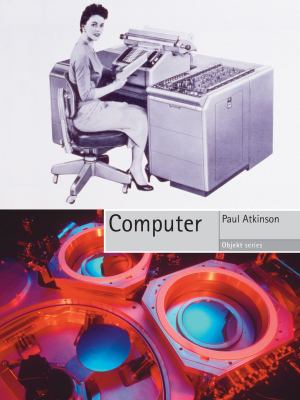
The pixelated rectangle we spend most of our day staring at in silence is not the television as many long feared, but the computer--the ubiquitous portal of work and personal lives. At this point, the computer is almost so common we don't notice it in our view. It's difficult to envision that not that long ago it was a gigantic, room-sized structure only to be accessed by a few inspiring as much awe and respect as fear and mystery. Now that the machine has decreased in size and increased in popular use, the computer has become a prosaic appliance, little-more noted than a toaster. These dramatic changes, from the daunting to the ordinary, are captured in Computer by design historian Paul Atkinson. Here, Atkinson chronicles the changes in physical design of the computer and shows how these changes in design are related to changes in popular attitude. Atkinson is fascinated by how the computer has been represented and promoted in advertising. For example, in contrast to ads from the 1970s and '80s, today's PC is very PC--genderless, and largely status free. Computer also considers the role of the computer as a cultural touchstone, as evidenced by its regular appearance in popular culture, including the iconography of the space age, HAL from 2001: A Space Odyssey , James Bond's gadgetry, and Stars War and Star Trek. Computer covers many issues ignored by other histories of computing, which have focused on technology and the economics involved in their production, but rarely on the role of fashion in the physical design and promotion of computers and their general reception. The book will appeal to professionals and students of design and technology as well as those interested in the history of computers and how they have shaped--and been shaped by--our lives.
| Condition | Price | |||
|---|---|---|---|---|
|
Used Like New (1 available)
|
$8.45 USD | Add To Cart |
Ships directly from Better World Books |
|
|
Used Good (1 available)
|
$12.82 USD | Add To Cart |
Ships directly from Better World Books |
|
|
eBook Obtain a digital book from our friends at eBooks.com.
|
{{ebooksDotComPrice}} {{ebooksDotComCurrency}} | eBooks.com | Digital edition from eBooks.com | |
|
Audio Book Obtain a digital book from our friends at AudiobooksNow.com.
|
{{audioBooksNowPrice}} {{audioBooksNowCurrency}} | AudiobooksNow.com | Digital edition from AudiobooksNow.com |
| Find at your local library from our friends at WorldCat | Find Libraries |
The pixelated rectangle we spend most of our day staring at in silence is not the television as many long feared, but the computer--the ubiquitous portal of work and personal lives. At this point, the computer is almost so common we don't notice it i ...
Read full overview
The pixelated rectangle we spend most of our day staring at in silence is not the television as many long feared, but the computer--the ubiquitous portal of work and personal lives. At this point, the computer is almost so common we don't notice it in our view. It's difficult to envision that not that long ago it was a gigantic, room-sized structure only to be accessed by a few inspiring as much awe and respect as fear and mystery. Now that the machine has decreased in size and increased in popular use, the computer has become a prosaic appliance, little-more noted than a toaster. These dramatic changes, from the daunting to the ordinary, are captured in Computer by design historian Paul Atkinson. Here, Atkinson chronicles the changes in physical design of the computer and shows how these changes in design are related to changes in popular attitude. Atkinson is fascinated by how the computer has been represented and promoted in advertising. For example, in contrast to ads from the 1970s and '80s, today's PC is very PC--genderless, and largely status free. Computer also considers the role of the computer as a cultural touchstone, as evidenced by its regular appearance in popular culture, including the iconography of the space age, HAL from 2001: A Space Odyssey , James Bond's gadgetry, and Stars War and Star Trek. Computer covers many issues ignored by other histories of computing, which have focused on technology and the economics involved in their production, but rarely on the role of fashion in the physical design and promotion of computers and their general reception. The book will appeal to professionals and students of design and technology as well as those interested in the history of computers and how they have shaped--and been shaped by--our lives.
| Condition | Source | Price | |
|---|---|---|---|
|
Used Like New (1 available)
Ships from |
Ships directly from Better World Books |
$8.45 USD | Add To Cart |
|
Used Good (1 available)
Ships from |
Ships directly from Better World Books |
$12.82 USD | Add To Cart |
|
eBook Obtain a digital book from our friends at eBooks.com.
|
Digital edition from eBooks.com | {{ebooksDotComPrice}} {{ebooksDotComCurrency}} | eBooks.com |
|
Audio Book Obtain a digital book from our friends at AudiobooksNow.com.
|
|
{{audioBooksNowPrice}} {{audioBooksNowCurrency}} | Audiobook |
*This is a limited preview of the contents of this book and does not directly represent the item available for sale.*
You are now leaving the Better World Books website to complete your transaction. Your eBook download will be facilitated by our friends at eBooks.com. Thank you for your support and for shopping with Better World Books!
You are now leaving the Better World Books website to complete your transaction. Your audio book download will be facilitated by our friends at AudiobooksNow.com. Thank you for your support and for shopping with Better World Books!
You are now leaving the Better World Books website. Thank you for your support and for shopping with Better World Books!